Hey everyone, I’m Jake, and I’ve spent the last 12 years running a mesh processing line supply business—so when guys hit me up asking, “What parts do I actually need to keep my line up and running?” I get it. Too many operators buy a whole mesh line, then ignore spare parts until a critical component dies and they’re stuck waiting 3 days for a replacement, losing thousands in downtime. That’s why I’m breaking down the exact spare parts your mesh processing line actually needs, no fluff, no vendor sales pitches, just straight-up stuff I’ve seen save (and cost) my clients over the years. Let’s dive in. Mesh Processing Line
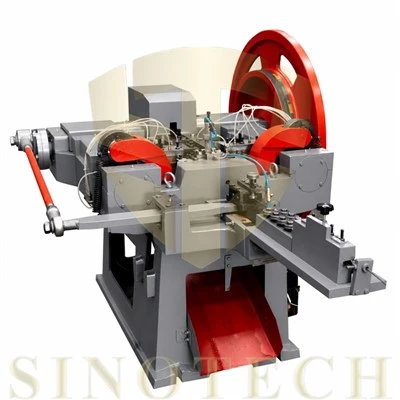
First off, let’s get on the same page about what a typical mesh processing line does, because that shapes the parts. I’m not talking about fancy aerospace mesh lines—we’re covering the standard ones for things like agricultural screens, metal mesh for building insulation, or even kitchen strainer mesh. Those lines have 5 core zones: material feeding, weaving (or stretching, if it’s expanded mesh), welding, cutting, and finishing. Each zone has its own wear-and-tear parts, and skimping on any of these is a recipe for a last-minute breakdown.
Let’s start with the zone that breaks most often, and wastes the most time if it does: the weaving/wire feeding zone. This is where raw wire (usually steel, aluminum, or stainless steel) gets fed into the line. The parts here are small, but they take a beating. First up: wire guides. I see so many clients grab generic plastic guides from the hardware store, and they crack in 2 weeks. Get the precision ceramic ones that fit your exact wire diameter—they never scratch wire, and last 6x longer. I stock these as a top SKU for a reason. Then there’s the wire straightening rollers. Those hard chrome-plated rollers? The tiny nicks from tiny wire debris will cause wavy mesh, which means rework. You need at least a set of spare top and bottom straightening rollers, and check them every 8 hours of run time. If you skip that, your next order will be junk. Also, don’t forget the wire tensioner springs. These little guys wear out way faster than people expect—if your line is running 24/7, replace them every 3 months, and have a backup set. I once had a client who ran 3 shifts without changing these; a snapped spring sent loose wire through the entire line, jamming the weaving head for 12 hours. Ouch.
Next, the welding zone. This is where mesh gets its structural strength, and bad parts here mean weak welds that fail at the first load. Most mesh lines use resistance welding, so the big culprits are the welding electrodes. These are copper-alloy tips that press together and create the weld—they erode every time they heat up, so you need spare electrodes at all times. Different wire gauges need different electrode shapes, so don’t buy a one-size-fits-all pack. For thin wire (<1mm), flat electrodes; for thicker wire, round domed ones. I recommend having 2-3 extra pairs, because if your electrode starts to wear down, welds get weak, and you’re throwing away finished mesh. Also, don’t skip the welding transformer fuses. Those are small, cheap, and if they blow, the whole welding zone is dead. Keep 5-10 spares in your toolbox, not in a storage closet across the factory. Another hidden part here: the weld timer contact points. Those little switches control how long the weld current stays on, and they corrode from dust and welding fumes. I’ve seen operators wait 2 days for a custom order for these—they’re standard across 90% of mid-sized mesh lines, so keep spares handy.
Now, the cutting zone. This is where you trim the finished mesh to size, and if these parts fail, you’ve got uneven edges that won’t fit customer orders. The main parts here are the shear blades (for shear cutting lines) or rotary cutter blades (for continuous lines). These blades get dull from cutting wire, so you need at least 2 full sets. I always tell clients: when one set is starting to leave burrs or uneven cuts, pull the second set in—don’t wait for it to stop cutting entirely. Dull blades mean you have to slow down the line, which cuts your production rate by 20% for the rest of the day. Also, if you have a pneumatic cutting system, the air seals. Those little rubber seals inside the pneumatic cylinder wear out from constant pressure, and a leaky seal means your blades won’t move fast enough to cut thick wire. Keep 4-5 spare seals—they cost pennies, and changing them takes 10 minutes. I once had a guy skip that, and he ruined a $500 batch of mesh because the blades didn’t cut all the way through.
Wait, let’s not forget the parts that keep the whole line moving, literally. That’s the conveyor system. Most mesh lines have a mesh belt or a set of metal rollers that move the material through each zone. The conveyor belt drive belts are super important—serpentine belts or V-belts, depending on your line. These stretch over time, and if they snap mid-shift, you’re stuck. I recommend having 2-3 spare belts that are the exact spec for your line (don’t guess, check the model number on the old one—no generic belts work here). Also, the conveyor idler rollers. Those little rollers under the belt get gunked up with wire dust and metal shavings, so they seize up. A seized roller will cause the whole belt to tear. Have a set of spare idler rollers, and spray them with lubricant every day to keep them running. I also tell clients to grab a few conveyor belt patch kits—small tears are easy to fix if you have a kit on hand, instead of waiting for a full replacement belt that can take a week to arrive.
Now, let’s talk about the “unsung hero” parts that no one thinks about until they break. First, the limit switches. These are the small sensors that tell the line when to stop, start, or adjust position—like when the cutting head needs to align to the mesh edge. When a limit switch dies, the line either overcuts or feeds too much wire, ruining a whole roll. I’ve seen lines shut down for 8 hours because someone didn’t have a $25 limit switch spare. Another one: the air filter regulators. If your line uses pneumatic tools (like the cutting system or tensioners), the regulator keeps air pressure consistent. A faulty regulator means inconsistent welds, inconsistent cuts, and wasted air. Change the filter every month, and have a spare regulator—they’re cheap and take 5 minutes to swap out. Also, wire brushes for cleaning the line. Wire dust builds up on electrodes, rollers, and guides, which causes all kinds of issues. Keep a set of stainless steel wire brushes—don’t use regular ones, they leave rust on the wire—and wipe down those parts every shift.
Now, let’s get into the rules of thumb I use, because I don’t want you stocking every part in the catalog. First: for high-run lines (24/7, 5 days a week), keep 15% of each critical wear part on hand at all times. For medium-run (1 shift a day, 5 days), keep 10%. For low-run (1 shift, 2 days a week), keep 5%. Second: prioritize parts that take more than 24 hours to ship. If a part can get to you same-day locally, you don’t need a spare. If it takes 3+ days, you need a spare. Third: test your spares every quarter. Don’t just buy them and put them in a box—take out a set of electrodes or blades, test them on a scrap piece of wire, make sure they work. I once had a client who bought spare blades that were warped from shipping, and he didn’t find out until he tried to use them on a rush order. That’s a disaster.
Wait, let’s address a common misconception: a lot of clients ask me, “Can I just use used parts?” Sometimes, but only for non-critical parts like idler rollers. Critical parts (electrodes, straightening rollers, blades) need to be new, because a used electrode will have worn down spots that cause bad welds. I once had a guy use a used wire guide from a scrap line, and it scratched a whole batch of mesh, so he had to re-do the entire order. Not worth saving $20.
Also, let’s talk about line-specific needs. If you have an expanded metal mesh line instead of a woven line, your spare parts will be a little different. Expanded lines have dies that punch and stretch the mesh, so you need spare die blades and punch pins. Those take a beating, and a broken pin will ruin a whole sheet. For slitting lines (which cut mesh into narrow strips), you need spare slitter knives. Just adjust based on what your line actually does.
Now, let’s wrap this up. The biggest mistake I see new mesh processors make is waiting for a breakdown to buy spares. A $50 electrode can save you $5,000 in downtime. A $10 belt can save you a week of lost production. I’ve built my business on knowing exactly what parts work for every type of mesh line, so if you’re setting up a new line or upgrading an old one, and you’re not sure what spares you need, hit me up to chat. No hard sells, no confusing tech jargon, just straight advice that’ll keep your line running. Got a breakdown and need a spare part fast? Reach out, I’ll get it to you same-day if possible.

When it comes to spare parts for mesh processing lines, reliability doesn’t have to be complicated—just stick to the critical wear parts, test your spares regularly, and don’t skip stocking parts that take time to ship. Trust me, I’ve seen enough broken lines to know this works.
Mesh Processing Line References
- "Industrial Mesh Processing Line Maintenance Best Practices," Manufacturing Engineering Association, 2022
- "Critical Spare Parts Management for Continuous Production Lines," International Journal of Industrial Maintenance, Vol. 18, No. 3, 2021
- "Wear Component Lifespan in Resistance Welding Mesh Lines," Journal of Materials Processing Technology, Vol. 296, 2021
- "Operator Guide to Mesh Line Spare Part Inventory, Second Edition," Process Equipment Suppliers Association, 2020
Sinotech Fasteners Industry Co., Ltd.
With abundant experience, we are one of the most professional mesh processing line manufacturers in China. Please feel free to buy customized mesh processing line at competitive price from our factory. Welcome to contact us for quotation.
Address: No. 7, North of Bantang Avenue, Huashan Industrial Park, Chaohu Economic Development Zone, Hefei City, Anhui Province, China
E-mail: ryan@sinotechfasteners.com
WebSite: https://www.sinotech-fasteners.com/
