If you’re a regular in metal fabrication, plumbing, or DIY projects involving tube and pipe cutting, chances are you’ve stared at a 125mm angle grinder in your workshop at some point—maybe next to a jigsaw, a tubing cutter, and a chop saw. The question I get most often from tradespeople and DIYers alike, when they’re browsing our 125mm angle grinders, is this: “Can I actually use this for cutting tubes, or is it just for grinding and sanding?” As a supplier of these grinders, I don’t want to oversell what they can do, but I also don’t want someone to drop a few hundred dollars on specialized cutting tools they don’t need when a reliable 125mm angle grinder gets the job done well. Let’s break this down with real-world use, safety, and what our customers have told us over the years. 125mm Angle Grinder
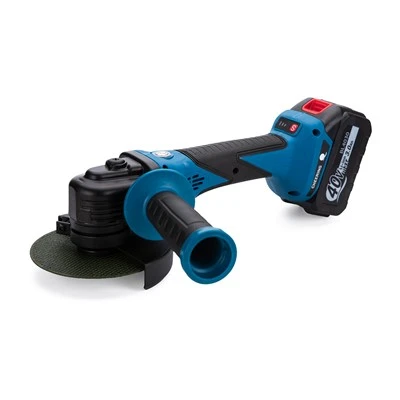
First, let’s get clear on what a 125mm angle grinder actually is, because a lot of new users mix up its key specs with larger grinders. The “125mm” refers to the diameter of the grinding or cutting wheel it uses—this is standard for small to medium grinders that weigh around 2 to 2.5 kilograms, compact enough to maneuver with one hand, perfect for tight spaces. Larger angle grinders (230mm, for example) are bulkier, built for heavy industrial work, and use bigger, slower-spinning wheels; 125mm models, by contrast, are designed for precision work, which makes them intuitive to adjust for cutting if you have the right accessories.
Now, the core question: cutting tubes. Tubes come in all shapes and sizes—round, square, rectangular—and materials, from thin-wall aluminum conduit to thicker steel structural tubing, copper for plumbing, and even mild steel. A 125mm angle grinder can cut all of these, but there are caveats that make a big difference between a good cut and a mess that leaves you with a jagged, unusable edge that needs hours of grinding to clean up. Let’s start with the basics of the tool’s performance for this task.
When you use a 125mm angle grinder for cutting, you don’t use a grinding wheel—you use a specific cut-off wheel, a thin, reinforced abrasive disc made for cutting metal or other materials, not grinding down welds or rust. Cut-off wheels for 125mm grinders are usually between 1mm and 1.6mm thick, which is far thinner than grinding wheels, allowing for precise, narrow cuts that minimize material waste. The speed of a 125mm angle grinder is another plus here; most run at 10,000 to 12,000 RPM, which is fast enough to bite through most tube materials without dragging, but not so fast that it will overheat thin-walled tubing or cause the wheel to shatter if used correctly.
Thin-wall tubing, which is common in electrical conduit, small copper plumbing lines, or DIY framing, is where 125mm angle grinders shine. A 1mm cut-off wheel will slice through 1.5mm thick aluminum conduit in a matter of seconds, leaving a straight edge if you guide the grinder slowly and steadily. I’ve seen electricians use our entry-level 125mm angle grinders to cut 10-foot sections of conduit in half, right on a job site with no space for a heavy chop saw, and get cuts perfect enough for threading without a lot of extra work. Copper tubing is even easier; as long as you use a cut-off wheel designed for non-ferrous metals, you can cut 15mm or 20mm copper lines cleanly in a single pass, no flaring or burring that requires a deburring tool, though you’ll want to clean the edge anyway for proper fittings.
Where 125mm angle grinders hold their own is also in tight spaces. A chop saw for cutting tubes is big, bulky, and requires a lot of clearance around the workpiece. If you’re working under a sink to cut a new piece of copper pipe, or in a cramped attic where plumbing lines run between rafters, a 125mm angle grinder is small enough to fit where no other cutting tool can go. Our regular customers who do residential plumbing and HVAC work tell us this is the number one reason they keep a 125mm grinder in their van alongside their tubing cutters—for when a pipe is in a spot a tubing cutter can’t reach, or they need to make an angled cut that’s impossible with a standard pipe cutter.
That said, there are limits to what a 125mm angle grinder can do when it comes to tubes, and ignoring these will lead to bad results or safety issues. The biggest limit is the thickness of the tube wall. A standard 125mm cut-off wheel can only cut material up to around 10mm thick, depending on the wheel type. If you’re working with structural steel tubing that’s 12mm or thicker, a 125mm grinder might struggle—you’ll have to make multiple passes through the wall, which can lead to jagged edges, and you’ll put unnecessary stress on the grinder’s motor. For these thicker tubes, a 230mm angle grinder or a plasma cutter is a better bet, because the larger wheel has enough diameter to cut through in one or two passes, and the motor is built for heavy loads.
Another limitation is the type of cut you need. If you need a precision cut for a project that requires exact measurements, like a custom metal railing or a medical device component, a 125mm angle grinder can work if you take your time, but it’s not as consistent as a tubing cutter or a laser cutter. The small size of the grinder and the fact that you’re guiding it by hand mean there’s a small margin for error—even a steady hand can veer off line slightly, leaving a cut that’s slightly angled instead of perfectly straight. For most trade work, this is fine, because you’ll clean up the edge anyway, but for projects that demand tight tolerances, a dedicated cutting tool is worth the investment.
Now, safety—this is non-negotiable, and as a supplier, I can’t stress this enough, because I’ve seen too many accidents come from people misusing their angle grinders for cutting. When you use a 125mm angle grinder for tube cutting, the first safety step is to make sure you’re using the right wheel. Never use a grinding wheel for cutting—they’re too thick, they can catch on the tube, and they pose a major shattering risk. Cut-off wheels are labeled specifically for cutting, and they have a maximum operating speed that matches the speed of your 125mm grinder (always check the grinder’s manual and the wheel’s rating to make sure they’re compatible). You should also never use a cut-off wheel that’s cracked, chipped, or worn down to less than half its original diameter—those are prone to breaking, especially under the pressure of cutting thicker material.
Personal safety gear is non-negotiable too. When cutting with an angle grinder, sparks fly, and small metal shavings can shoot out at high speed, so you need full eye protection—impact-resistant goggles, not just glasses, because a chip can travel far and fast. A face shield is even better if you’re cutting a lot of tubes, because it protects your entire face. You also need gloves made for metal work, not cloth gloves, which can catch on the grinder or get covered in sparks. Ear protection is important too—125mm angle grinders are loud, and prolonged exposure can damage your hearing. Finally, always make sure the tube is clamped securely in a vise or held steady before you start cutting—if it moves, the wheel can catch and kick back, which is one of the most common angle grinder accidents.
A common mistake new users make when cutting tubes with a 125mm angle grinder is applying too much pressure. The grinder’s motor and the cut-off wheel are designed to do the work—you just need to guide the tool along the line of the cut, applying light, steady pressure. Pushing down hard will cause the wheel to overheat, wear out faster, and increase the risk of shattering. If you feel like you have to push hard to get the wheel to cut, you’re either using the wrong wheel, working with material that’s too thick for a 125mm grinder, or the wheel is worn out and needs to be replaced.
Another tip that our long-time customers swear by: use a guide for straight cuts, especially if you’re working on a project that needs multiple pieces cut to the same length. You can make a simple guide from a piece of wood clamped to your workbench, or buy a metal cutting guide that attaches to your grinder—this keeps the wheel moving in a straight line, reducing error and making clean cuts faster. For angled cuts, mark your line clearly with a metal marker before you start, and take slow, small passes along the line, instead of trying to cut all the way through in one go. This also helps prevent the wheel from wandering.
Let’s talk about the maintenance side, because using a 125mm angle grinder for tube cutting will put more wear on the tool than using it for light grinding, so you need to take care of it. After every use, wipe down the grinder to remove metal shavings, which can get stuck in the motor vents and cause overheating. Check the wheel guard regularly to make sure it’s adjusted correctly—for cutting, the guard should cover the top half of the wheel, leaving only the bottom half exposed to cut, which protects you from flying sparks and broken wheel pieces. If you notice the grinder is vibrating more than usual when cutting, stop and check if the wheel is installed correctly, or if it’s worn out. A properly maintained 125mm angle grinder will last for years, even with regular tube cutting, as long as you follow the manufacturer’s guidelines.
I should also mention that there are attachments you can add to a 125mm angle grinder to make tube cutting easier, if you’re planning to use it for this task regularly. A cutting stand, for example, clamps onto your workbench and holds the tube in place at a 90-degree angle, making straight cuts much simpler. A deburring tool is also useful, because cutting with a grinder leaves a sharp, rough edge on the inside and outside of the tube, and deburring removes that so you can fit fittings or weld without issues. These small accessories are worth the small investment if tube cutting is a regular part of your work.
Now, let’s wrap this up with a clear, straightforward answer to the original question: Yes, you can definitely use a 125mm angle grinder for tube cutting, but only if you use the right accessories, follow safety protocols, and work within the tool’s limits. It’s not a replacement for specialized tubing cutters or large chop saws for industrial work, but for most residential and light commercial applications—cutting electrical conduit, copper plumbing, mild steel tubing for small projects, making cuts in tight spaces—it’s a reliable, versatile tool that saves you time and money on job sites.
As a supplier of 125mm angle grinders, our team has tested hundreds of these tools for cutting tubes over the years, and we stand by their performance for the right use cases. We’ve helped thousands of electricians, plumbers, and DIYers pick the right grinder and wheels for their specific cutting needs, and we’ve seen firsthand how a well-used 125mm angle grinder can become a go-to tool for tube cutting when used correctly.

If you’re in the market for a 125mm angle grinder for tube cutting, or you have more questions about which accessories are best for your projects, we’re here to help with all your procurement needs. Whether you’re a trade professional looking to stock your workshop or a DIY enthusiast working on a home project, we can guide you to the right equipment and supplies for the job.
Cordless Angle Grinder References:
- Occupational Safety and Health Administration. Angle Grinder Safety. U.S. Department of Labor, 2022.
- Metal Fabricators Association. Tool Selection Guide for Tube and Pipe Cutting. National Tooling and Machining Association, 2021.
- DeWalt Technical Manual. 125mm Angle Grinder Specifications and Operating Guidelines. Stanley Black & Decker, 2020.
- Plumbing-Heating-Cooling Contractors Association. Residential Pipe Cutting Best Practices. PHCC, 2023.
Zhejiang Cheering Sewing Machine Co., Ltd.
With abundant experience, we are one of the most professional 125mm angle grinder manufacturers and suppliers in China. Please feel free to wholesale advanced 125mm angle grinder for sale here from our factory. We also accept customized orders.
Address: No.69 Heping Road, Lishui, Zhejiang, China
E-mail: gxjlq@126.com
WebSite: https://www.cheering-machinery.com/
