Barite, also known as baryte, is a mineral composed of barium sulfate (BaSO4). It is widely used in various industries due to its high density, chemical inertness, and other valuable properties. As a barite supplier, I am often asked about the recycling options for barite. In this blog post, I will explore the different ways barite can be recycled, the benefits of recycling, and the challenges associated with the process. Barite

Recycling Options for Barite
1. Reuse in the Oil and Gas Industry
One of the primary applications of barite is in the oil and gas industry, where it is used as a weighting agent in drilling muds. After a drilling operation, the used drilling muds often contain a significant amount of barite. Recycling this barite can be a cost – effective and environmentally friendly solution.
The process typically involves separating the barite from the other components of the drilling mud. This can be done through a series of steps such as mechanical separation, including screening and centrifugation. Once separated, the barite can be re – used in new drilling mud formulations. This not only reduces the need for new barite extraction but also helps in managing the waste generated during drilling operations.
2. Recycling in the Paint and Coating Industry
Barite is used in the paint and coating industry as a filler and extender. When old paint or coating products are discarded, there is an opportunity to recover the barite. The recycling process here involves breaking down the paint or coating matrix and separating the barite particles.
Chemical processes can be employed to dissolve the organic components of the paint, leaving behind the barite. After purification, the recovered barite can be used again in the production of new paints and coatings. This helps in reducing the raw material costs for paint manufacturers and minimizing the environmental impact of paint waste.
3. Recovery from Industrial Wastes
Barite is also present in various industrial wastes, such as those from the glass manufacturing, ceramic, and chemical industries. Recycling barite from these wastes requires specialized techniques.
For example, in glass manufacturing, barite is used to increase the refractive index of the glass. When glass waste is generated, the barite can be recovered through a combination of physical and chemical processes. Physical separation methods like flotation can be used to separate the barite from other glass components. Chemical treatments may also be necessary to remove impurities and purify the barite.
4. Recycling in the Construction Industry
In the construction industry, barite is used in the production of radiation – shielding concrete. When old concrete structures containing barite are demolished, the barite can be recycled. The concrete is first crushed, and then the barite is separated from the other aggregates.
The recycled barite can be used in the production of new radiation – shielding concrete or other construction materials. This not only conserves natural resources but also reduces the amount of construction waste going to landfills.
Benefits of Barite Recycling
1. Environmental Benefits
Recycling barite helps in reducing the demand for new barite extraction. Mining activities can have a significant environmental impact, including habitat destruction, soil erosion, and water pollution. By recycling barite, we can minimize these negative effects and preserve natural resources for future generations.
Moreover, recycling reduces the amount of waste that ends up in landfills. This helps in conserving landfill space and reducing the potential for environmental contamination from waste disposal.
2. Economic Benefits
For industries that use barite, recycling can lead to significant cost savings. Instead of purchasing new barite, companies can reuse the recycled material, which is often available at a lower cost. This can improve the profitability of businesses, especially in industries where barite is a major raw material.
In addition, the recycling industry itself creates jobs in areas such as waste collection, processing, and purification. This can contribute to local economic development.
3. Resource Conservation
Barite is a non – renewable resource. Recycling helps in stretching the available supply of barite, ensuring that it can be used for a longer period. This is particularly important as the demand for barite continues to grow in various industries.
Challenges in Barite Recycling
1. Contamination
One of the major challenges in barite recycling is contamination. In many cases, the barite recovered from waste sources may be contaminated with other substances. For example, in drilling muds, the barite may be mixed with oil, clay, and other chemicals. These contaminants need to be removed before the barite can be reused.
Removing contaminants often requires complex and expensive processes. Chemical treatments may be necessary to break down and remove the contaminants, which can increase the cost of recycling.
2. Quality Control
Ensuring the quality of the recycled barite is another challenge. The recycled barite must meet the same quality standards as the virgin barite. This requires strict quality control measures during the recycling process.
The particle size, purity, and other physical and chemical properties of the recycled barite need to be carefully monitored. If the quality of the recycled barite is not up to par, it may not be suitable for use in certain applications.
3. Collection and Logistics
Collecting the barite – containing waste from various sources can be a logistical challenge. Different industries generate barite waste in different locations, and coordinating the collection and transportation of this waste can be complex and costly.
In addition, the waste may need to be stored properly before recycling to prevent further contamination or degradation.
Conclusion
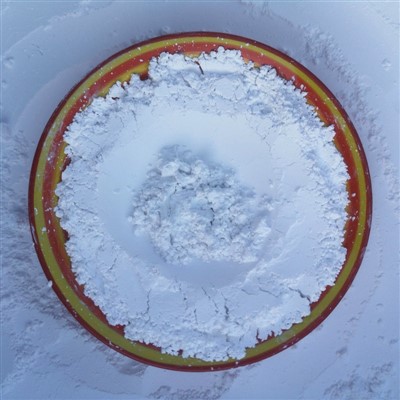
As a barite supplier, I understand the importance of recycling barite. It offers numerous environmental, economic, and resource – conservation benefits. However, there are also challenges that need to be addressed in order to make barite recycling more efficient and widespread.
Calcium Carbonate If you are interested in purchasing barite or learning more about our recycling options, I encourage you to reach out to us. We are committed to providing high – quality barite products and exploring sustainable solutions for the industry. Let’s work together to make the most of this valuable resource and contribute to a more sustainable future.
References
- "Barite: Mineral information, data and localities." Mindat.org.
- "The Oil and Gas Drilling Mud Industry." American Petroleum Institute.
- "Recycling of Industrial Minerals: A Review." Journal of Sustainable Mining.
Lingshou County LM Mineral Products Co., Ltd.
As one of the most professional barite manufacturers and suppliers in China, we’re featured by quality products and good service. Please rest assured to buy customized barite made in China here from our factory. Contact us for more details.
Address: Dongzhuang Village, Nanyanchuan Township, Lingshou County, Shijiazhuang City, Hebei Province
E-mail: lmwtwz@163.com
WebSite: https://www.lmwtz.com/
