Hey there! I’m a supplier in the textile machinery business, and today I want to chat about the impact of Industry 4.0 on textile machinery. It’s a topic that’s been buzzing around the industry for a while, and I’ve seen firsthand how it’s changing the game. Textile Machinery
First off, let’s talk about what Industry 4.0 actually is. It’s all about the integration of digital technologies into manufacturing processes. Think of it as the fourth industrial revolution, where machines are connected, data is shared, and automation is king. In the textile machinery world, this means that our machines are becoming smarter, more efficient, and more connected than ever before.
One of the biggest impacts of Industry 4.0 on textile machinery is the increase in automation. With the help of sensors, robots, and artificial intelligence, our machines can now perform tasks that were once done by hand. For example, we can now use automated systems to control the speed, tension, and quality of the fabric as it’s being produced. This not only improves the efficiency of the production process but also reduces the risk of human error.
Another important aspect of Industry 4.0 is the ability to collect and analyze data. Our machines are now equipped with sensors that can collect data on everything from the temperature and humidity of the production environment to the performance of the individual components. This data can then be analyzed to identify patterns, optimize processes, and predict maintenance needs. For example, if a sensor detects that a particular component is starting to wear out, we can schedule maintenance before it fails, reducing downtime and saving money.
The connectivity of Industry 4.0 also allows for greater collaboration between different parts of the supply chain. For example, our machines can now be connected to the suppliers’ systems, allowing for real-time inventory management and order processing. This means that we can respond more quickly to changes in demand and reduce the amount of inventory we need to hold.
In addition to these benefits, Industry 4.0 is also having a positive impact on the quality of the textile products. With the help of advanced sensors and control systems, we can now produce fabrics with more consistent quality and fewer defects. This is especially important in industries such as fashion and automotive, where quality is a key factor in customer satisfaction.
However, implementing Industry 4.0 in the textile machinery industry is not without its challenges. One of the biggest challenges is the cost of upgrading existing machines and installing new technology. This can be a significant investment for many companies, especially small and medium-sized enterprises. Another challenge is the need for skilled workers who are able to operate and maintain the new technology. This requires a significant amount of training and education, which can be time-consuming and expensive.
Despite these challenges, I believe that the benefits of Industry 4.0 far outweigh the costs. As a textile machinery supplier, I’m committed to helping my customers embrace this new technology and stay ahead of the competition. I offer a range of products and services that are designed to help companies integrate Industry 4.0 into their manufacturing processes, including automated systems, data analytics tools, and training programs.
If you’re interested in learning more about how Industry 4.0 can benefit your textile business, I’d love to have a chat with you. Whether you’re looking to upgrade your existing machines, implement new technology, or improve your production processes, I can help you find the solutions that are right for you. So don’t hesitate to reach out and let’s start a conversation.

In conclusion, Industry 4.0 is having a profound impact on the textile machinery industry. It’s changing the way we produce fabrics, improving the efficiency and quality of our products, and enabling greater collaboration between different parts of the supply chain. While there are challenges to implementing this new technology, the benefits are clear. As a textile machinery supplier, I’m excited to be a part of this revolution and to help my customers succeed in the digital age.
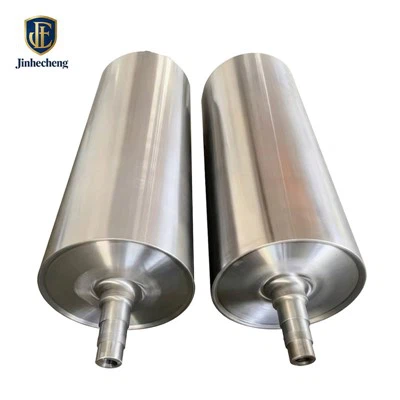
Chrome Plated Rollers References:
- "Industry 4.0: The Future of Manufacturing" by Klaus Schwab
- "Textile Machinery and Technology" by John S. Wilson
- "The Impact of Industry 4.0 on the Textile Industry" by International Textile Manufacturers Federation
Qingdao Jinhecheng Machinery Co., Ltd.
Address: Aishan Industrial Park, Yanghe Town, Jiaozhou, Qingdao City, Shandong Province
E-mail: alice@jhcroller.com
WebSite: https://www.jhcroller.com/
