Hey there! I’m a supplier of LNG bunker tanks, and today I wanna chat about the emergency response procedures for an LNG bunker tank incident. It’s super important to know what to do when things go wrong, so let’s dive right in. LNG Bunker Tank

Understanding the Risks
First off, we need to understand the potential risks associated with LNG bunker tanks. LNG, or liquefied natural gas, is a cryogenic fuel that’s stored at extremely low temperatures. If there’s a leak or spill, it can lead to some serious issues. The gas is highly flammable, and if it mixes with air in the right proportions, it can create an explosive atmosphere. Plus, the cold temperatures can cause frostbite and damage to equipment.
Detection and Alarm Systems
The first step in any emergency response is to detect the problem as early as possible. That’s where detection and alarm systems come in. Most LNG bunker tanks are equipped with sensors that can detect leaks, temperature changes, and pressure variations. When something goes wrong, these sensors trigger an alarm, alerting the crew or operators.
It’s crucial to have these systems regularly maintained and tested to ensure they’re working properly. A false alarm can be a hassle, but a missed alarm can be a disaster. So, make sure you have a reliable system in place and that everyone knows what to do when the alarm goes off.
Immediate Actions
Once the alarm goes off, the first thing to do is to isolate the affected area. This means shutting off the valves and pumps to stop the flow of LNG. It’s also important to evacuate the area if there’s a risk of explosion or fire. The crew should follow a pre – established evacuation plan and head to a safe location.
At the same time, the operators should start monitoring the situation. They need to check the pressure, temperature, and level of the LNG in the tank. This information will help them determine the severity of the incident and what steps to take next.
Containment and Mitigation
If there’s a leak, the next step is to contain it. This can be done using various methods, such as closing off the leak point, using absorbent materials to soak up the LNG, or creating a barrier to prevent the gas from spreading.
For small leaks, the crew might be able to handle it on their own. But for larger leaks, they might need to call in external help, like a specialized emergency response team. These teams are trained to deal with LNG incidents and have the equipment and expertise to contain and mitigate the situation.
Firefighting
LNG is highly flammable, so firefighting is a critical part of the emergency response. If there’s a fire, the crew should use appropriate firefighting equipment, such as foam or dry chemical extinguishers. Water can also be used, but it’s important to use it carefully, as it can cause the LNG to vaporize more quickly.
It’s also important to have a fire – fighting plan in place. This plan should include the location of fire – fighting equipment, the roles and responsibilities of the crew, and the procedures for extinguishing the fire. Regular fire drills should be conducted to ensure that everyone knows what to do in case of a fire.
Communication
Communication is key during an emergency. The crew should immediately notify the relevant authorities, such as the port authorities, the coast guard, and the company’s management. They should provide detailed information about the incident, including the location, the type of problem, and the actions that have been taken so far.
In addition to external communication, internal communication within the crew is also important. Everyone needs to be on the same page and know what their roles and responsibilities are. This can be achieved through regular training and drills.
Post – incident Actions
Once the incident is under control, the next step is to conduct a thorough investigation. This investigation should determine the cause of the incident, what went wrong, and what can be done to prevent similar incidents in the future.
The crew should also document the incident, including all the actions taken, the equipment used, and the results of the investigation. This documentation will be useful for insurance purposes and for improving the emergency response procedures.
Training and Preparedness
To ensure an effective emergency response, it’s essential to have well – trained personnel. The crew should receive regular training on LNG safety, emergency response procedures, and the use of firefighting equipment.
Drills should be conducted regularly to test the crew’s knowledge and skills. These drills should simulate real – life scenarios and help the crew practice their response to different types of incidents.
Why Choose Our LNG Bunker Tanks
Now, I know you might be wondering why you should choose our LNG bunker tanks. Well, we take safety seriously. Our tanks are designed and built to the highest standards, with state – of – the – art detection and alarm systems. We also provide comprehensive training and support to our customers to ensure they’re prepared for any emergency.
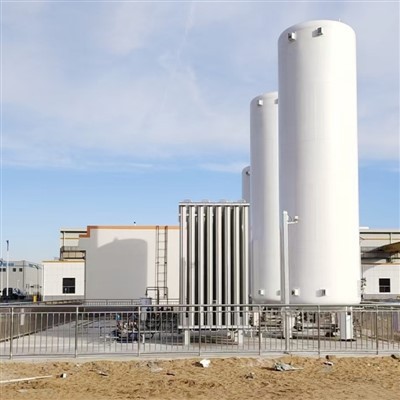
Our tanks are reliable and efficient, which means you can count on them to deliver the LNG you need, when you need it. And in the unlikely event of an incident, we have a team of experts ready to assist you every step of the way.
Cryogenic Pressure Vessel If you’re in the market for LNG bunker tanks, I encourage you to get in touch with us. We’d be happy to discuss your needs and provide you with a customized solution. Whether you’re a small – scale operator or a large – scale shipping company, we have the expertise and the products to meet your requirements.
References
- International Maritime Organization (IMO) – Guidelines for the Safety of Ships Using Gases or Other Low – Flashpoint Fuels
- American Petroleum Institute (API) – Standards for LNG Storage and Handling
- National Fire Protection Association (NFPA) – Codes and Standards for LNG Safety
Tianjin Baiyan Technology Co., Ltd.
With abundant experience, we are one of the most professional lng bunker tank manufacturers and suppliers in China. We warmly welcome you to buy customized lng bunker tank made in China here from our factory. If you have any enquiry about pricelist and quotation, please feel free to email us.
Address: No. 36, Jixian Road, Shuangqiaohe Development Zone, Jinnan District, Tianjin, China
E-mail: sales@tjbaiyan.com
WebSite: https://www.baiyan-tech.com/
