Yo! I’m in the HD LED display game, and I get asked a lot about the difference between indoor and outdoor HD LED displays. So, I thought I’d break it down for you in this blog. HD LED Display

Let’s start with the obvious stuff. The first thing you notice is the environment they’re designed for. Indoor HD LED displays are made to work inside buildings, like in malls, museums, or corporate offices. Meanwhile, outdoor HD LED displays are out in the open, facing all kinds of weather conditions, whether it’s scorching sun, pouring rain, or freezing cold.
Brightness
One of the biggest differences is brightness. Outdoor displays need to be super bright to be visible under direct sunlight. You know how bright the sun can be, right? So, these displays often have a brightness level of 5,000 nits or even higher.
For example, if you’ve seen those big billboard displays on the side of the highway, they’ve got to be insanely bright so that you can see the ads clearly while you’re driving by at high speed.
On the other hand, indoor displays don’t need to be that bright. The average indoor HD LED display has a brightness of around 500 – 1,000 nits. That’s because the lighting inside buildings is usually much dimmer than outside. You don’t want an indoor display to be so bright that it’s blinding to people who are standing close to it.
Pixel Pitch
Pixel pitch is another important factor. It refers to the distance between each pixel on the display. Outdoor displays generally have a larger pixel pitch compared to indoor ones.
A larger pixel pitch means that the pixels are farther apart. This is okay for outdoor displays because people usually view them from a distance. For instance, if you’re looking at a large outdoor LED display from your car, you won’t notice the gaps between the pixels as much.
In contrast, indoor displays are often viewed up close. So, they need a smaller pixel pitch to present a sharp and detailed image. If you have a small pixel pitch, the pixels are closer together, and the picture looks smoother and more high – res.
Durability
When it comes to durability, outdoor LED displays have to be tough cookies. They’re built to withstand harsh environmental conditions. The enclosures of outdoor displays are made from weather – resistant materials like aluminum or steel. They’re also sealed to protect the internal components from dust, water, and other contaminants.
These displays are tested for things like water resistance (usually rated with an IP code, like IP65 or higher), which means they can handle water splashes and even heavy rain. They also need to be able to handle extreme temperatures, from really hot summers to freezing winters.
Indoor displays, however, don’t need to be as rugged. They’re in a controlled environment, so there’s no need for that extra layer of protection. But they still need to be reliable, of course, because they’re often used for important events or day – to – day business operations.
Viewing Angle
Viewing angle matters a lot, especially when you consider how people will be looking at the display. Outdoor displays often need a wide viewing angle because they’re seen from different directions. For example, a display on a building facade might be seen from the street below, from a sidewalk, or even from cars driving on a nearby road.
So, outdoor HD LED displays usually have a horizontal and vertical viewing angle of over 120 degrees. This way, people can see the content clearly no matter where they’re standing.
Indoor displays also need a good viewing angle, but it can be a bit more flexible depending on where they’re placed. For example, if it’s a display in a conference room, it might only need to be visible from the seats in front of it. So, the viewing angle requirements might be a bit less strict compared to outdoor displays.
Content and Usage
The content for indoor and outdoor displays can also be different. Indoor displays are often used for more detailed and interactive content. For example, in a museum, an indoor HD LED display might show high – resolution images, videos about historical artifacts, or even have touch – screen capabilities for visitors to interact with the content.
Outdoor displays, on the other hand, are more focused on advertising and getting a quick message across. The content is usually bold, colorful, and simple to understand at a glance. Think about the big ads you see on outdoor displays in Times Square. They’ve got to grab your attention right away.
Cost
Cost is a factor that can’t be ignored. Generally, outdoor HD LED displays are more expensive than indoor ones. This is mainly because of the higher brightness requirements, the need for more durable materials, and the additional engineering to make them weather – resistant.
The installation of outdoor displays is also more complicated and costly. You need to consider things like mounting structures that can withstand strong winds and proper electrical connections that are safe in outdoor conditions.
Indoor displays are usually more budget – friendly. The installation is often simpler, and you don’t need to worry about all those outdoor – specific factors.
Maintenance
Maintenance is different for indoor and outdoor displays as well. Outdoor displays need more frequent maintenance because of the harsh environment they’re in. The weather can take a toll on the display, and components might need to be replaced more often.
For example, the fans in outdoor displays might get clogged with dust, and the power supplies can be affected by temperature changes. So, you’ve got to have a regular maintenance schedule to keep them running smoothly.
Indoor displays require less maintenance. Since they’re in a controlled environment, there’s less wear and tear on the components. But you still need to check things like the heat sinks and the power connections periodically.
So, that’s the lowdown on the differences between indoor and outdoor HD LED displays. If you’re in the market for an HD LED display, it’s important to understand these differences so that you can make the right choice for your needs.
Whether you’re looking to spice up your indoor space with a cool display for a corporate event or need a big, attention – grabbing outdoor billboard for your business, I’m here to help. As a supplier of HD LED displays, I’ve got a wide range of options to suit your specific requirements.
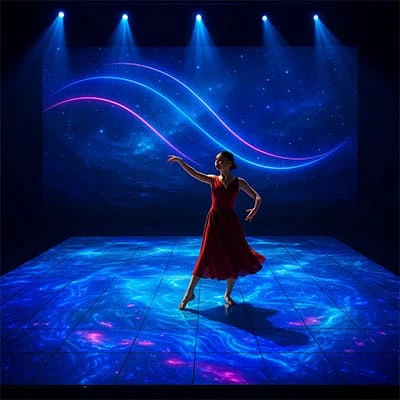
If you’ve got any questions or you’re interested in purchasing an LED display, reach out to me. We can have a chat about your project, and I’ll help you find the perfect display at the right price.
Transparent LED Wall References
- General knowledge and experience in the HD LED display industry.
- Industry reports on LED display technology and market trends.
Shenzhen MileStrong Technology Co., Ltd.
Shenzhen MileStrong Technology Co., Ltd. is one of the most professional hd led display manufacturers and suppliers in China, specialized in providing the best customized service. We warmly welcome you to wholesale bulk high quality hd led display at competitive price from our factory.
Address: 120C2, Building C, Fashion loft Industry Park, No.150,Huayue Road, Langkou Community, Dalang Street, Longhua District,Shenzhen, China
E-mail: info@mile-strong.com
WebSite: https://www.milestrongled.com/
